



Fertility testing is a critical first step for individuals and couples struggling to conceive or planning for future parenthood. At Arthope, we provide comprehensive diagnostic protocols that evaluate both female and male reproductive health using evidence-based, clinically validated methods.
Our fertility testing unit combines advanced laboratory diagnostics with personalized clinical evaluation. We understand that fertility is a shared responsibility, and our approach reflects that—offering complete fertility workups for both men and women.

Fertility testing is the process of identifying factors that may affect an individual’s ability to conceive. These tests include hormonal, structural, genetic, and functional assessments of the reproductive system.
At Arthope, fertility testing is fully individualized. Whether you’re experiencing infertility or simply wish to understand your reproductive potential, our team provides discreet, high-precision diagnostics to guide appropriate treatment decisions.
You may benefit from fertility testing if:

Women undergo a detailed clinical and hormonal workup that may include:
Our specialists at Arthope ensure each test is performed with accuracy and interpreted in context. Results guide treatment planning, whether for natural conception or assisted reproduction.

Male fertility testing at Arthope focuses on identifying sperm-related or hormonal issues. The standard evaluation includes:
Early male evaluation is crucial; in many cases, male factors contribute equally to infertility.
Accurate fertility testing allows for:
In our experience at Arthope, couples who undergo complete, early testing are more likely to achieve successful outcomes with or without ART.

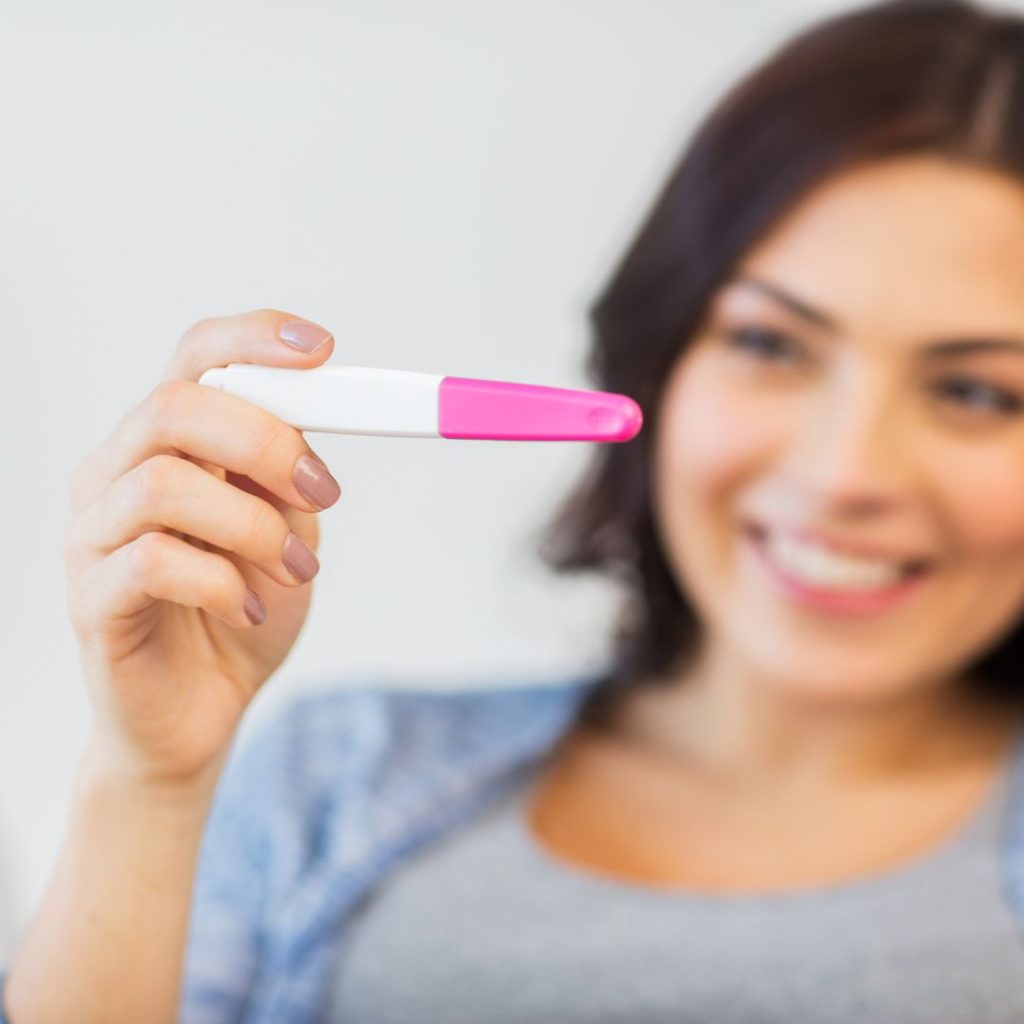
It’s a series of exams to assess a person’s reproductive health, including hormones, ovarian reserve, sperm quality, and uterine or testicular structure.
Couples who can’t conceive after 6–12 months, people with known conditions, or anyone planning to delay parenthood should consider testing.
Through blood tests (FSH, LH, AMH), ultrasounds, and imaging of the uterus and fallopian tubes to evaluate egg reserve and structure.
By semen analysis, hormone testing (testosterone, FSH), and scrotal ultrasound to check sperm quality and detect abnormalities
Most tests are non-invasive or mildly uncomfortable. Blood tests and ultrasounds are routine. HSG can cause temporary discomfort.
AMH measures ovarian reserve. Higher AMH levels often indicate a better egg count, helping to assess fertility potential in women.
Most evaluations are completed within 1–2 menstrual cycles. Basic tests can be done in a few days with results typically available within a week.
Yes, in most cases. Infertility can affect either or both partners, so complete evaluation improves diagnosis and treatment planning.
A lab test that evaluates sperm count, movement, and shape. It’s the primary test to assess male fertility and is painless and quick.
Yes. Chronic stress can influence hormonal balance in both men and women. It’s important to manage stress during evaluation.
Coverage varies. At Arthope, we provide transparent pricing and offer guidance on private and supplementary coverage options.
Absolutely. At Arthope, all evaluations and results are handled with full privacy and patient confidentiality.
Yes, pre-conception screening helps identify potential issues early and supports planning for fertility preservation if needed.
Our specialists review the results, explain findings clearly, and create a tailored treatment or monitoring plan for your goals
We offer fast access, advanced diagnostics, multidisciplinary care, and expert interpretation—all in one integrated, private setting.